1. Safety and scope
The team explains what it can handle and which parts, like testing a site where drugs were made, need a different plan.
Cathcart, WA · Snohomish County
Business owners in Cathcart who find syringes in a restroom or storeroom can call (877) 812-4220. A cleanup team can remove sharps and residue and clean the room before it reopens.
If anyone is in danger, call 911 first. For a suicide crisis, call or text 988.
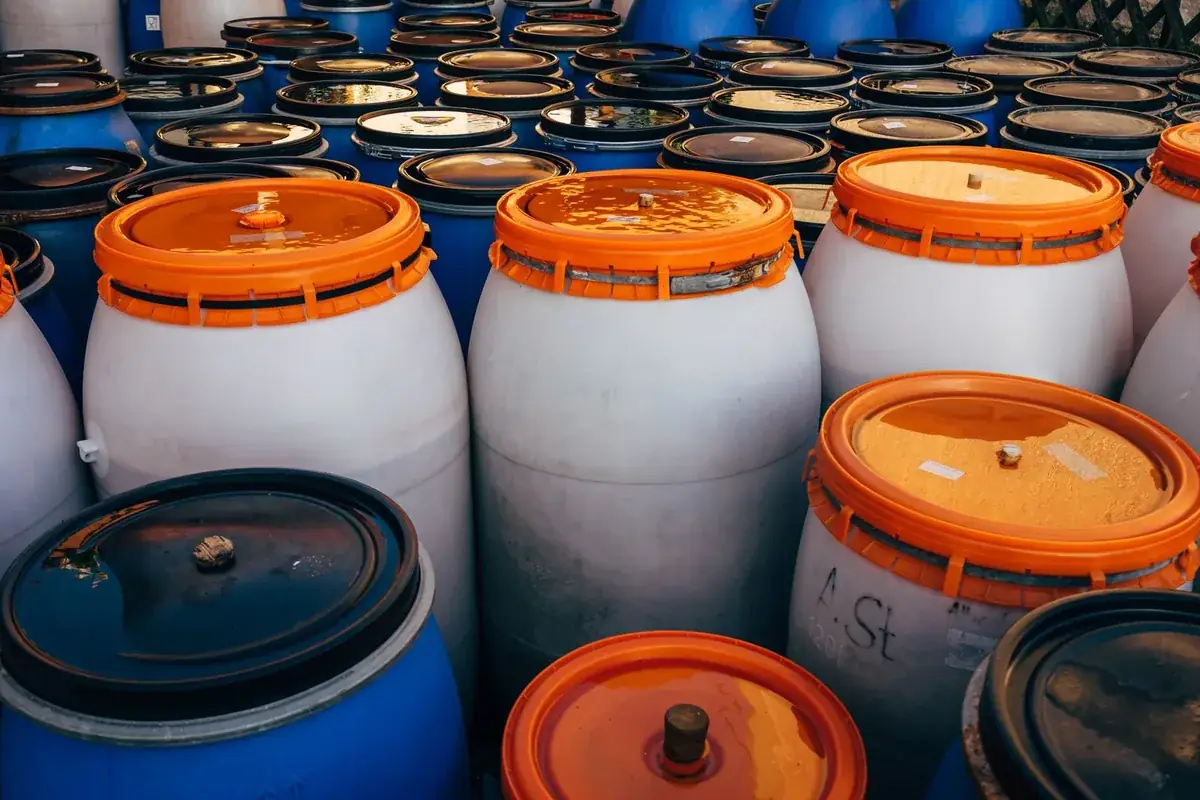
Drug use cleanup is different from drug lab cleanup. It focuses on items and residue left by use, while a site where drugs were made has its own testing and clearance steps.
If you are a landlord, property manager or family member in Cathcart facing items left behind after drug use, call Cathcart Biohazard Cleanup Help. The crew is discreet, explains each step and leaves your property clean and checked across Snohomish County.
The vacancy rate in Snohomish County is only about 5%, so most paraphernalia calls come from occupied homes, rentals and businesses. Tell the doctor where the exposure happened. Evergreenhealth Monroe, about 10 miles from Cathcart, can evaluate people who may have been exposed.
What drug paraphernalia cleanup covers:
The team explains what it can handle and which parts, like testing a site where drugs were made, need a different plan.
Cleanup technicians use puncture-resistant gloves and tools. Unknown powders are never swept or vacuumed dry.
Paraphernalia goes into sealed containers, and hard surfaces are cleaned with EPA-registered products.
The space is checked once more, and the crew answers questions before leaving.
The cost of drug paraphernalia cleanup in Cathcart, WA depends on the amount of material, how it is packed and how it is hauled.
Documentation for a landlord, insurer or buyer can add some time, so tell the team up front if you will need it.
| Type of job | Typical range |
|---|
Estimates only, not a quote. Sources: . Price drivers include amount of material, whether residue is present, surfaces affected, waste disposal. Call (877) 812-4220 to talk through the job.
It can. Powders and stains may stay on floors, furniture, bedding and in vents after the items are gone. That is why a team cleans and disinfects the surfaces and removes soft materials that cannot be cleaned. Ask what the plan covers.
Vehicles can hold syringes, residue and odor in seats, carpets and vents. Ask whether the team cleans vehicles and how soft materials are treated. Crews use the same protective gear and sealed containers as in a building.
In many cases the person who calls does not need to be at the property. Ask the team how access and keys can be arranged. If you are out of town, say so when you call. Many teams can arrive in an unmarked vehicle.
Police and the city do not usually clean the space afterward. The owner or the family books the cleanup once the scene is released. A cleanup team can work after the release and explain the steps. Ask the agency when the space is cleared.
Call 911 right away. Cleanup can wait. After the emergency is over and the space is released, a cleanup team can handle the items and residue left behind.
It is safer not to. You often cannot tell what an item or residue is, and hidden sharps are a risk. Do not mix cleaning products. A cleanup team has the protective gear and containers to do it safely, without judgment.
Ask about discreet arrival in an unmarked vehicle if privacy matters.
Call (877) 812-4220